
When visitors step into a classroom where students are working with deep focus, they sometimes look around for the secret. There isn't one. No magic, no tricks. Just clear expectations, careful modeling, and one small but powerful addition to the I-chart: ignore distractions.
It sounds almost too simple. But when students genuinely know how to ignore what is happening around them, the whole energy of independent work time shifts. Even the youngest learners can develop this skill with the right instruction and practice.
Start by defining what a distraction actually is
Before students can ignore distractions, they need to know what counts as one. Defining it together as a class makes the expectation concrete and gives students a shared language for it.
Once students have a shared understanding of what distractions look like, the next step is teaching them what to do when one appears. The good news is that almost every distraction on the list can be handled by the very first strategy.
Ignoring is a superpower
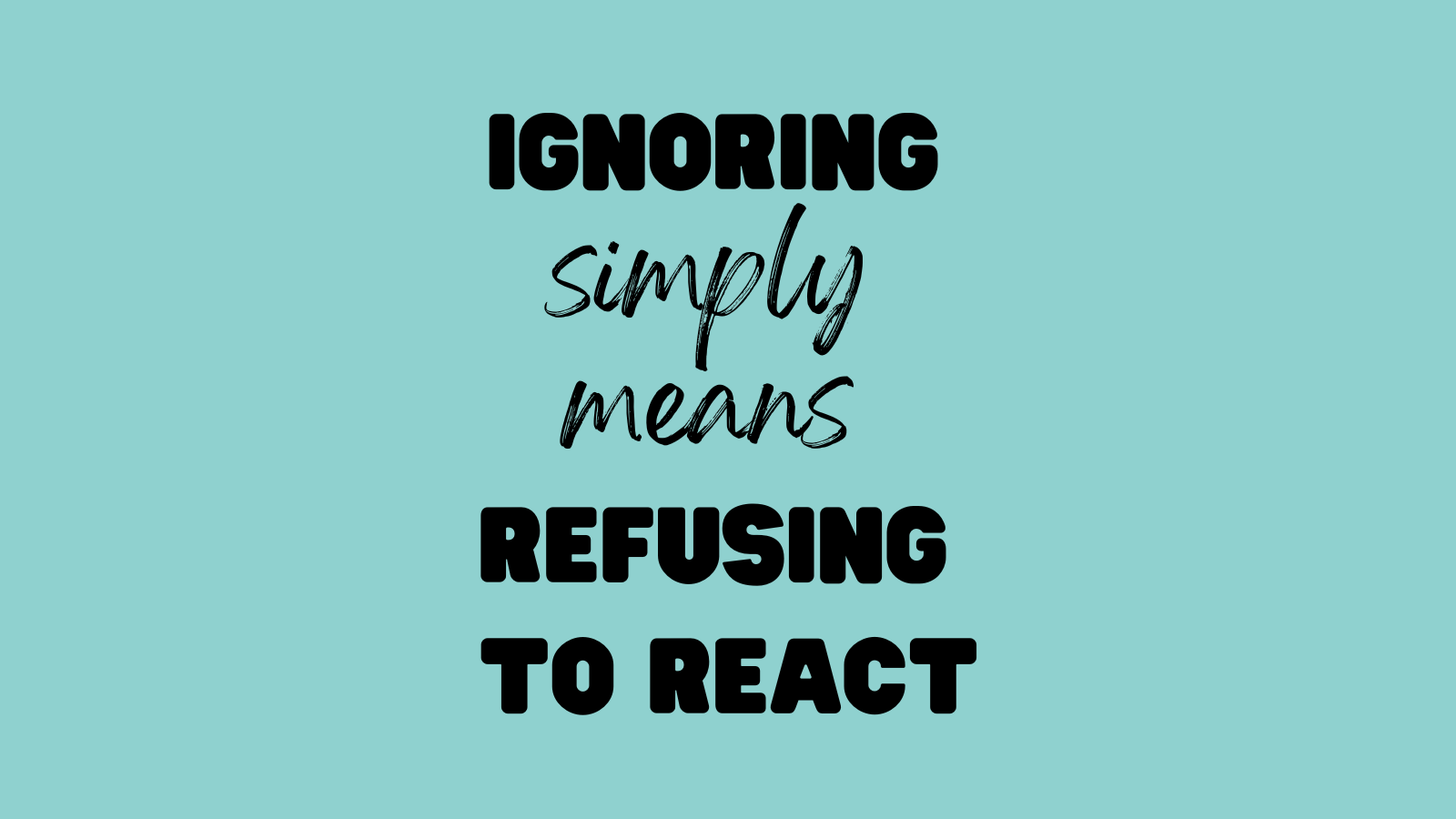
Ignoring simply means refusing to react. Frame it that way for students and watch how differently they receive it. It is not passive. It is a choice, and a deliberate one.
The most effective way to teach this is through practice. During independent reading in the gathering space, try moving around the room, making faces, or whispering in someone's ear. Make it lively and engaging enough that students have something real to ignore. Then stop and debrief.
Offering specific, heartfelt feedback after that practice moment reinforces exactly what you want students to repeat. They will remember it.
When ignoring doesn't work
Sometimes the most determined efforts at ignoring fall short, and students need a clear set of next steps. Model, demonstrate, and practice each one so students know exactly what to do before they ever need it.
A strategy worth revisiting all year
Teaching students to ignore distractions creates an environment where independent work is taken seriously. It signals to students that what they are doing matters, and that protecting their focus is worth the effort.
If independent work time and stamina start to slip as the year winds down, this is exactly the kind of expectation worth revisiting. A focused practice session, a reminder of the steps, and genuine encouragement go a long way toward bringing the energy back.
The most focused classrooms are not quiet because the teacher demands silence. They are quiet because students have learned that their work deserves their full attention, and they believe it too.